
Camera-Equipped Interlock — West Virginia
Free to compare
The Camera Logs Every Breath Test You Take
You received notice that your West Virginia DUI revocation requires enrollment in the Motor Vehicle Alcohol and Drug Test and Lock Program. The interlock provider installed the device yesterday. You passed the first breath test this morning, the car started, and you drove to work. What you may not realize: a camera inside the handset photographed your face the moment you blew into the device, and that image was transmitted to the DMV's Interlock Section for review.
West Virginia mandates camera-equipped ignition interlock devices for all participants in the Test and Lock program. The camera requirement is not optional, and it is not limited to repeat offenders or aggravated cases. Every breath test — startup, rolling retest, and shutdown — triggers a timestamped photo that the DMV reviews to verify the enrolled driver is the person providing the breath sample. The camera exists to prevent circumvention, and the image-review process creates a violation pathway most drivers do not anticipate until the first flag arrives in the mail.
“The DMV reviews interlock images in batches after calibration. You won't know a photo was flagged until the violation notice arrives weeks later.”
See Who Insures West Virginia Drivers After a DUI
Get My West Virginia DUI Insurance Quote20 business days
WV Interlock Enrollment Window
West Virginia requires Test and Lock program enrollment and device installation within 20 business days of DMV approval. Missing this window forfeits your eligibility to drive during the revocation period, and you must wait until the full revocation expires to reapply for reinstatement.
West Virginia Division of Motor Vehicles Interlock Section
How the Image Review Process Works
The camera-equipped interlock device captures a photo each time you provide a breath sample. The image is stored locally on the device and transmitted to the service provider's monitoring system during the monthly calibration appointment. The provider forwards flagged images to the DMV Interlock Section, where staff compare the photo against the driver's license image on file. The review is not instantaneous. You will not receive real-time feedback when you blow into the device. The violation notice arrives weeks later, after the DMV has reviewed the batch of images from your last calibration cycle.
The DMV flags images for three primary reasons: the photo does not match the enrolled driver's license image, the photo shows a different person in the driver's seat, or the photo is obscured to the point where facial recognition is impossible. Lighting conditions, camera angle, and facial obstructions (sunglasses, hats, scarves) all create flaggable images. The device does not warn you in the moment that the photo quality is insufficient. You learn about the problem only when the violation letter arrives, and by that point you may have accumulated multiple flagged tests across several days or weeks.
West Virginia does not publish a specific threshold for how many flagged images trigger program termination. The DMV evaluates violations on a case-by-case basis, considering the pattern of flags, the driver's compliance history, and whether the images suggest intentional circumvention or environmental factors like poor lighting. A single obscured photo in winter fog is treated differently than ten consecutive photos showing a passenger in the driver's seat. The lack of a published threshold means you cannot calculate how many flags you can accumulate before termination. The safest assumption: every flagged image moves you closer to removal from the program.
The DMV reviews interlock camera images in batches after calibration, not in real time. You will not know a photo was flagged until the violation notice arrives weeks later.


Responding to a Violation Notice
The DMV mails violation notices to the address on file with the Interlock Section. The notice identifies the date and time of each flagged image, the reason for the flag (mismatch, obstruction, or unidentifiable), and the deadline to respond. West Virginia does not automatically terminate program enrollment after the first violation notice. You have the opportunity to provide an explanation, submit additional documentation, or request a review hearing. The response deadline is typically 10 business days from the notice date. Missing the deadline forfeits your right to contest the violation, and the DMV proceeds with termination.
If the flagged images resulted from environmental factors — poor lighting, a medical device that obscured your face, or a temporary condition like facial swelling after dental surgery — submit written documentation with your response. Medical records, repair receipts showing garage lighting was non-functional, or photos demonstrating the condition that caused the obstruction all support your case. The DMV evaluates whether the pattern of flags suggests intentional circumvention or correctable environmental issues. A single cluster of flags during a documented period (e.g., three days of swelling after oral surgery) is more defensible than sporadic flags spread across months with no consistent explanation.
If the DMV determines the violations were intentional or the pattern suggests someone else used the device, program termination is immediate. Termination means you lose the privilege to drive during the revocation period. The revocation clock does not pause — you serve the remainder of the revocation without driving privileges, and you cannot reapply for Test and Lock enrollment until the full revocation period expires. At that point you apply for standard reinstatement, which requires proof of completion of the Safety and Treatment Program, payment of the $50 reinstatement fee, and proof of current West Virginia liability insurance via the insurer's WV-1B Certificate of Insurance. West Virginia does not require SR-22 or any multi-year financial responsibility filing for reinstatement.
$50
WV Reinstatement Fee
West Virginia charges a $50 base reinstatement fee after DUI revocation. This fee applies whether you complete the Test and Lock program or serve the full revocation period without driving. Additional fees may apply if the revocation involved multiple violations or unpaid fines.
West Virginia Division of Motor Vehicles

Insurance Requirements During and After Interlock
West Virginia requires continuous liability insurance coverage throughout the Test and Lock program enrollment period. The state enforces compulsory insurance through the Online Insurance Verification Program, which cross-references active policies against registered vehicles in real time. If your insurance lapses while you are enrolled in the interlock program, the DMV receives an automated notification and may terminate your enrollment. Maintaining coverage is not optional, and it is not deferred until reinstatement. You must carry at least the state minimum liability limits — $25,000 per person for bodily injury, $50,000 per accident for bodily injury, and $25,000 for property damage — from the day the interlock device is installed.
West Virginia does not require SR-22 or FR-44 certificates for DUI reinstatement. The old financial responsibility certificate framework under WV Code 17D-4-15 through 17D-4-20 was repealed. The state verifies insurance electronically through the Online Insurance Verification Program, not through a multi-year filing. When you reinstate after the revocation period ends, you provide the insurer's WV-1B Certificate of Insurance directly to the DMV. The certificate confirms you hold an active West Virginia liability policy meeting state minimums. No additional filing is required, and the certificate does not obligate you to maintain the policy for a fixed term beyond reinstatement. Standard policy terms apply after reinstatement.
Compare Carriers That Write Post-Revocation Coverage
Not all carriers write policies for drivers with active DUI revocations or recent interlock program enrollment. The carriers listed in the data layer above that write after-DUI coverage in West Virginia include Dairyland, Farmers, Geico, National General, Progressive, Root, The General, and USAA. Each carrier prices post-revocation risk differently, and monthly premiums vary based on your age, county, vehicle, and the time elapsed since the revocation date. Comparing quotes from multiple carriers that write your risk profile produces the clearest picture of your actual cost.
Standard-tier carriers like State Farm and Allstate may decline to write new policies for drivers with active revocations, or they may require you to wait until reinstatement is complete. Non-standard carriers like Dairyland and The General specialize in high-risk drivers and typically offer coverage during the interlock period without waiting. The trade-off: non-standard carriers charge higher premiums than standard-tier carriers, but they provide immediate access to coverage when standard options are unavailable. Once you complete reinstatement and maintain a clean record for 12 to 24 months, you can shop standard-tier carriers again for lower rates. The interlock period is not permanent, and neither is the premium tier you start in.
What Triggers a Flagged Image
Facial obstructions are the most common cause of flagged images. Sunglasses, prescription glasses with heavy frames, hats with brims that shadow the face, and scarves or high collars that cover the jawline all reduce match confidence. The DMV's facial recognition system compares the interlock photo against your driver's license image, which was taken under controlled lighting with no obstructions. A winter hat that covers your hairline changes the shape of your face enough to trigger a mismatch flag. Remove all facial coverings before providing a breath sample, even if the device allows the test to proceed.
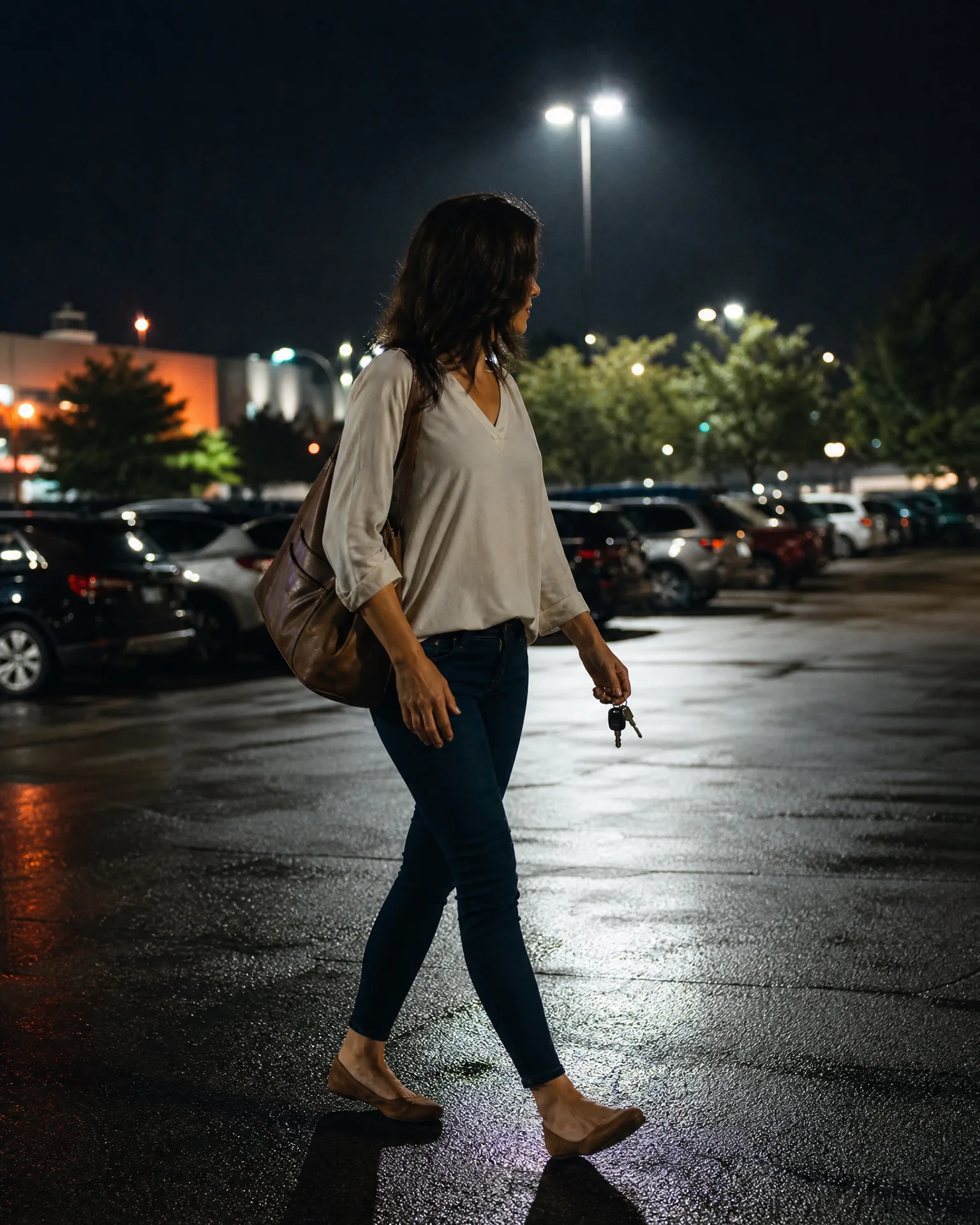
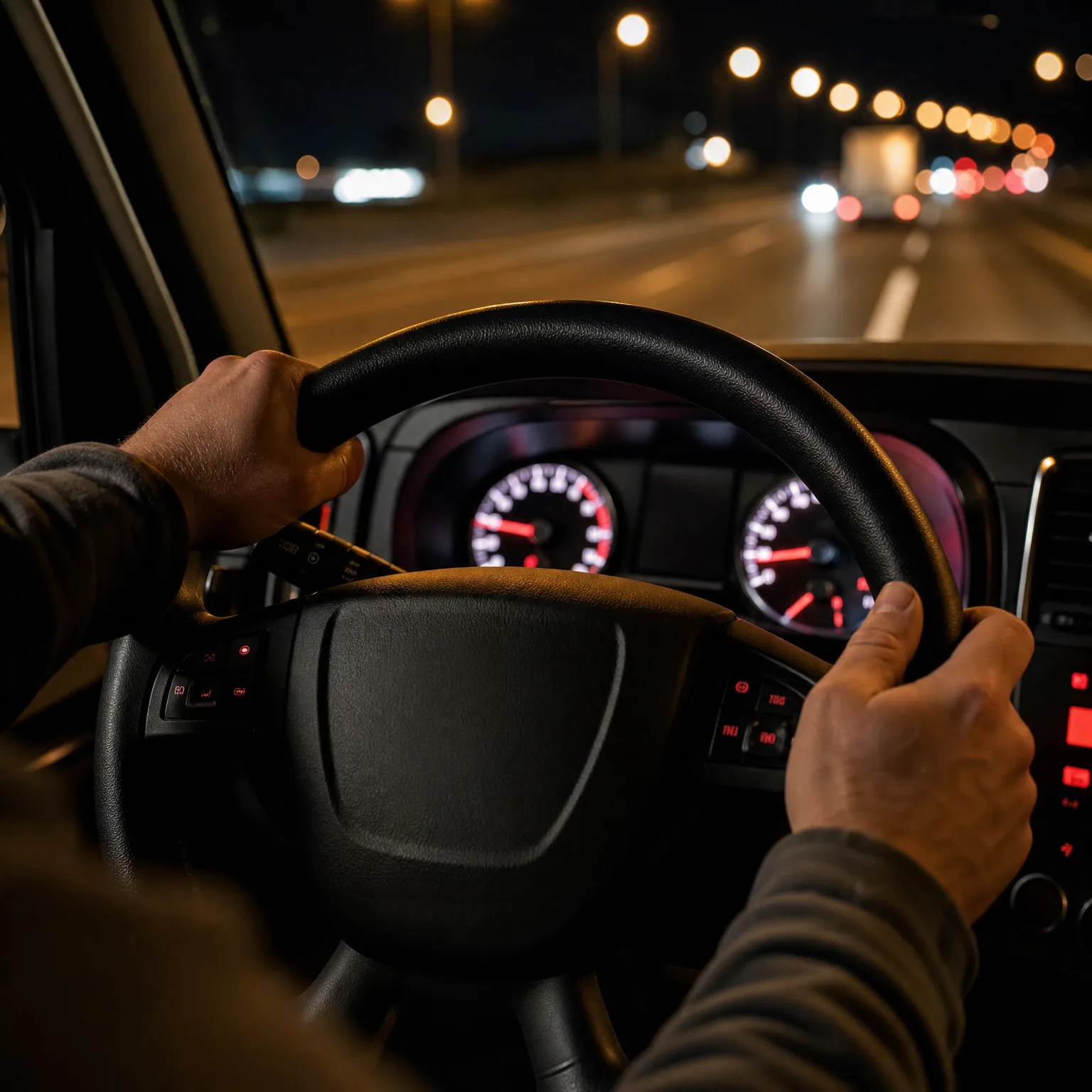
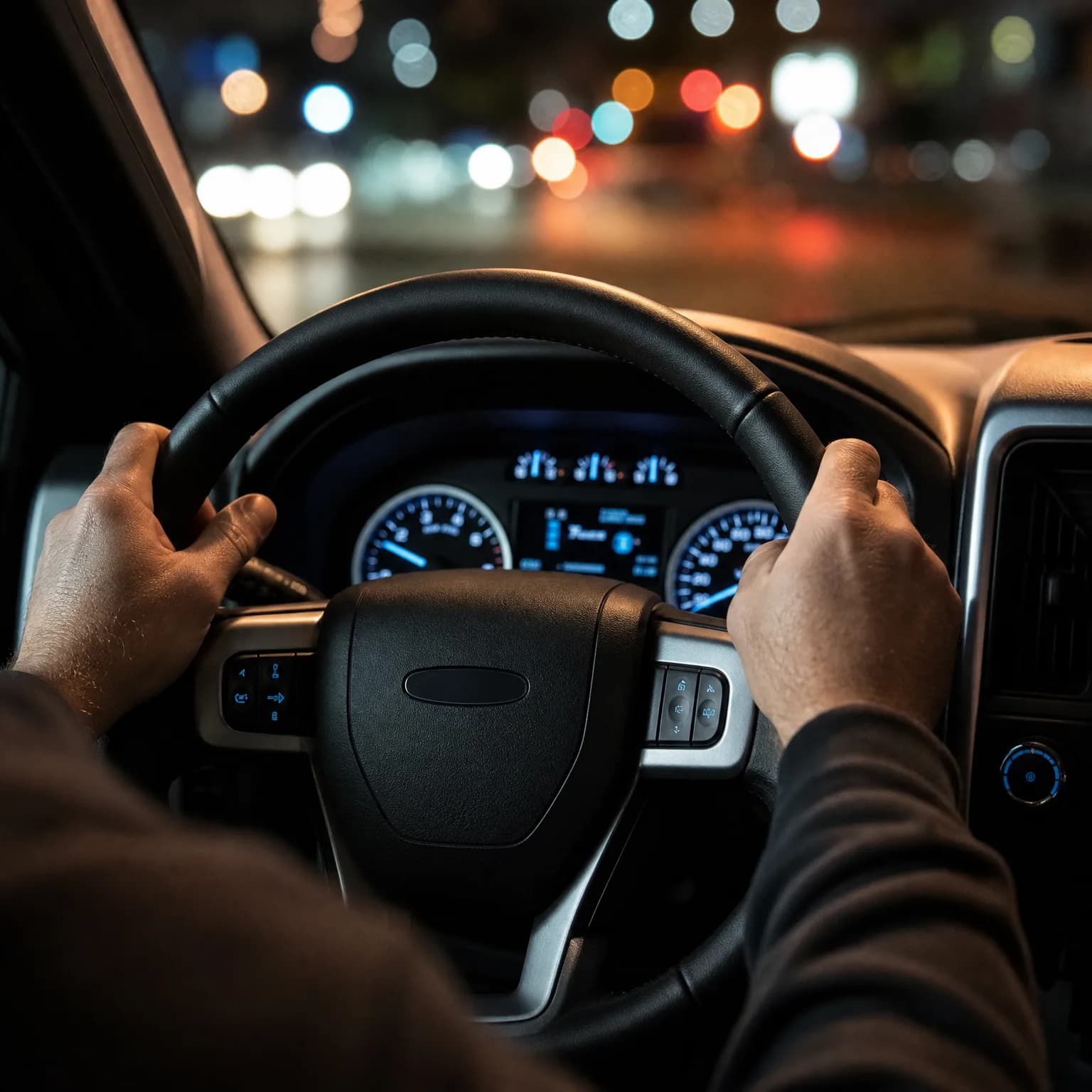
Lighting conditions create the second category of flags. The interlock camera is designed for daylight use. Early-morning tests in a dark garage, nighttime rolling retests on unlit rural roads, and tests taken in heavy shadow all produce underexposed images the system cannot process. The device does not require adequate lighting to accept the breath sample — it will start the car even if the photo is too dark to review. Park in a well-lit area before providing the startup breath test. If a rolling retest prompt appears while driving at night, pull over under a streetlight or into a lit parking lot before blowing into the device.
Get Your Free Quote
Get My West Virginia DUI Insurance QuoteFrequently Asked Questions
Does the interlock camera take a photo every time I start my car?
Yes. West Virginia's camera-equipped interlock devices photograph your face during every breath test — startup, rolling retest, and shutdown. The images are stored on the device and transmitted to the service provider during monthly calibration, then forwarded to the DMV Interlock Section for review.
Can I wear sunglasses when I blow into the interlock device?
No. Sunglasses, hats, scarves, and other facial obstructions reduce the DMV's ability to match the interlock photo against your driver's license image. Remove all facial coverings before providing a breath sample to avoid triggering a mismatch flag.
What happens if the interlock camera flags a photo by mistake?
You receive a violation notice in the mail identifying the flagged image and the reason for the flag. You have 10 business days to respond with an explanation or supporting documentation. The DMV reviews your response and determines whether the flag was environmental or intentional. Missing the response deadline forfeits your right to contest the violation.
How many flagged images does it take to get kicked out of the interlock program?
West Virginia does not publish a specific threshold. The DMV evaluates violations case-by-case, considering the pattern of flags, your compliance history, and whether the images suggest intentional circumvention. A single obscured photo is treated differently than ten consecutive photos showing someone else in the driver's seat.
Do I need SR-22 insurance to reinstate my license after a DUI in West Virginia?
No. West Virginia does not require SR-22 or FR-44 certificates. The state verifies insurance electronically through the Online Insurance Verification Program. At reinstatement, you provide the insurer's WV-1B Certificate of Insurance confirming you hold an active West Virginia liability policy meeting state minimums.
Can I get insurance while my license is still revoked?
Yes. West Virginia requires continuous liability insurance throughout the Test and Lock interlock program enrollment period. If your insurance lapses while enrolled, the DMV receives an automated notification and may terminate your program eligibility. You must maintain at least state minimum liability coverage from the day the device is installed.
What is the WV-1B Certificate of Insurance?
The WV-1B is the certificate your insurance carrier files with the West Virginia DMV to confirm you hold an active liability policy meeting state minimums. You provide this certificate at reinstatement. It is not a multi-year filing — it simply proves current coverage at the time of reinstatement.