
Test and Lock Approval Timeline — West Virginia
Free to compare
The Approval Window Opens After Provider Submission
Your Test and Lock approval timeline does not start when you contact a provider or schedule installation. The West Virginia DMV Interlock Section begins processing your application only after your ignition interlock provider submits the complete documentation package to the state. Most applicants assume enrollment equals application — it does not. The 20-business-day clock starts when your provider files, not when you sign up.
This distinction matters because providers vary in how quickly they submit after installation. Some file within 48 hours of installing your device. Others batch submissions weekly. A provider who installs your interlock on Monday but does not submit paperwork until the following Monday has added five business days to your wait before the state's 20-day window even begins. You cannot drive legally until the DMV approves your Test and Lock participation, so every delay extends your period without driving privileges.
“The 20-business-day clock starts when your provider files, not when you sign up — most applicants lose weeks by enrolling before understanding the submission trigger.”

See Who Insures West Virginia Drivers After a DUI
Get My West Virginia DUI Insurance Quote20 business days
WV Test and Lock Processing
The West Virginia DMV Interlock Section processes Test and Lock applications within 20 business days of receiving complete documentation from your ignition interlock provider. Weekends and state holidays do not count toward this window.
West Virginia Division of Motor Vehicles Interlock Section
What the DMV Needs Before Approval
The DMV will not approve your Test and Lock participation until your provider submits proof of ignition interlock installation, verification that you own the vehicle or have written owner permission for installation, and confirmation of your enrollment in or completion of the Safety and Treatment Program within 60 days of beginning the interlock period. Non-West Virginia residents must also provide a copy of their resident-state license within 30 days of approval.
The Safety and Treatment Program requirement catches many applicants off guard. You cannot be approved for Test and Lock if you have not enrolled in the state-mandated DUI education and treatment program. Enrollment alone satisfies the requirement initially, but you must complete the program during your interlock period or face revocation of your Test and Lock privileges. The DMV does not approve applications from drivers who are actively appealing their revocation — the appeal must be resolved or withdrawn before you qualify.
Vehicle ownership documentation is the most common submission delay. If you do not own the vehicle outright, the registered owner must provide written authorization for interlock installation. This authorization must be notarized in some counties, though the state does not mandate notarization statewide. Your provider will specify local requirements. Missing or improperly executed owner authorization will delay your provider's submission until corrected.

Your provider's submission date — not your installation date — starts the 20-business-day approval clock. Ask your provider when they will file your paperwork before scheduling installation.



What Happens During the 20-Day Window
The DMV Interlock Section verifies your eligibility, confirms your provider's installation report matches your vehicle registration, cross-checks your Safety and Treatment Program enrollment status, and validates that no active appeal is blocking approval. This verification process runs in parallel with other applicants, so your timeline depends partly on current application volume. The 20-business-day window is a maximum, not a guarantee — some approvals process in 10 to 15 business days when volume is low.
You will not receive interim updates during processing. The DMV does not issue status confirmations at the 10-day mark or notify you of pending issues. Your first contact from the state will be your approval notification or a request for missing documentation. If the DMV identifies a problem — missing owner authorization, no treatment enrollment on file, or an active appeal — they will contact your provider, not you directly. Your provider then contacts you to resolve the issue. This two-step communication adds days to resolution.
Once approved, the DMV mails your Test and Lock approval letter to the address on file. This letter authorizes you to drive vehicles equipped with your registered ignition interlock device. You must carry this letter whenever driving. Approval does not restore your full license — it grants conditional driving privileges under interlock restriction. Driving any vehicle without an interlock, even in an emergency, violates your Test and Lock terms and triggers immediate revocation.
$50
WV Reinstatement Fee
After completing your Test and Lock period and satisfying all revocation conditions, you will pay a $50 reinstatement fee to restore your full driving privileges. This fee is separate from interlock provider costs and Safety and Treatment Program fees.
West Virginia Division of Motor Vehicles
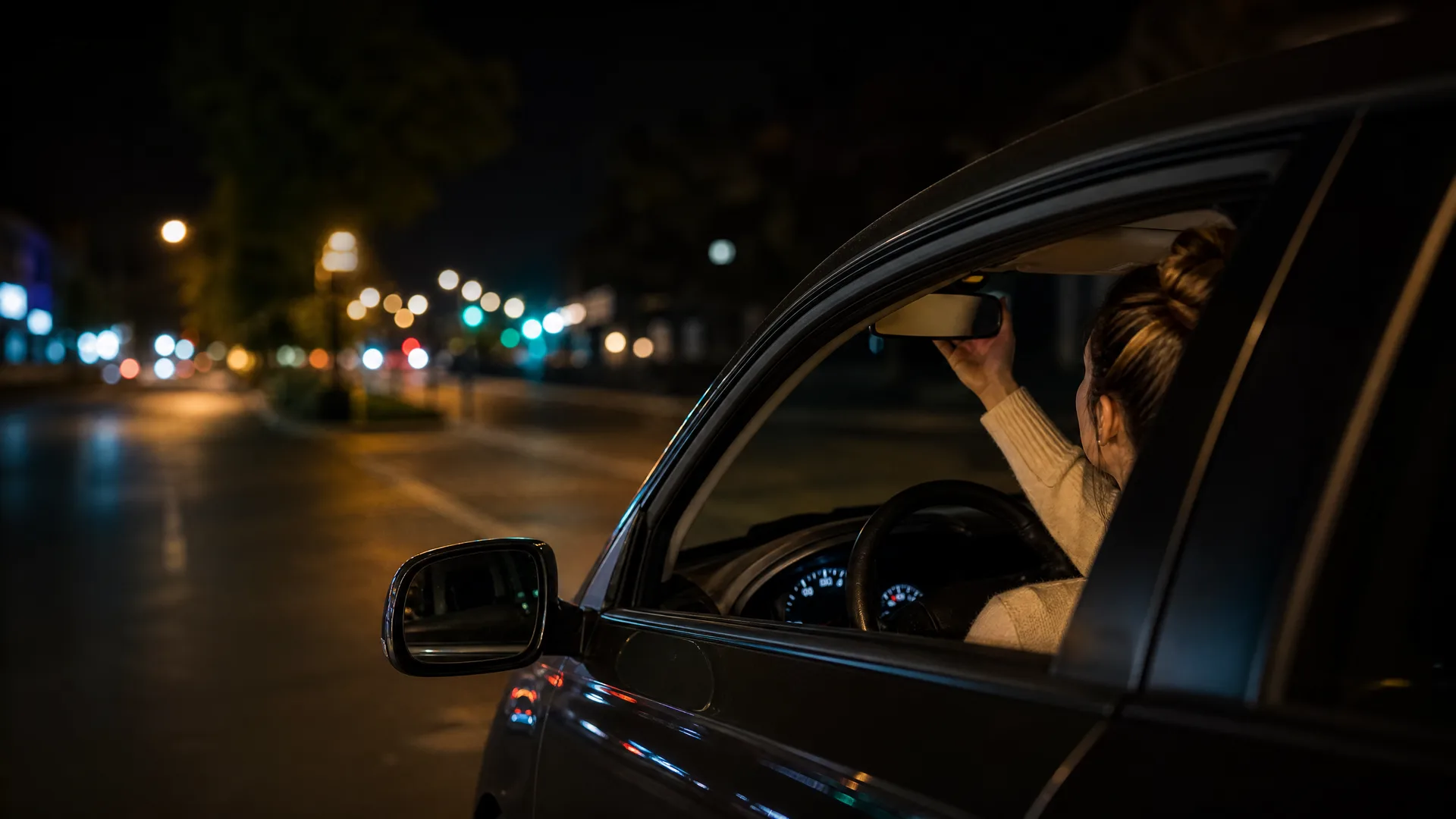
Insurance During the Approval Window
West Virginia requires continuous liability insurance coverage throughout your Test and Lock period, including the 20-business-day approval window. The state does not use SR-22 certificates — that framework was repealed. Instead, your insurer reports your coverage status directly to the DMV through the Online Insurance Verification Program. Any lapse in coverage during your interlock period, including while waiting for approval, extends your revocation and may disqualify you from Test and Lock participation.
Most drivers need high-risk auto insurance after a DUI revocation. Standard carriers often non-renew policies following a DUI conviction, forcing you into the non-standard market. Expect higher premiums during your interlock period. West Virginia's minimum liability limits are $25,000 per person for bodily injury, $50,000 per accident for bodily injury, and $25,000 for property damage. You must maintain at least these minimums continuously. If you do not currently own a vehicle but need to satisfy insurance requirements for reinstatement later, non-owner car insurance provides liability coverage without vehicle ownership.
What to Do While Waiting for Approval
Confirm your provider submitted your documentation. Call the provider three business days after installation and ask for the submission date. If they have not yet filed, ask when they will. Document the date they provide. This gives you a reference point to calculate your expected approval date: submission date plus 20 business days equals the outside edge of your approval window.
Verify your insurance is active and reporting to the state. Contact your insurer and confirm they are transmitting your coverage status through West Virginia's Online Insurance Verification Program. A lapse during the approval window will delay or disqualify your Test and Lock participation. If you recently switched carriers or reinstated a lapsed policy, confirm the new policy is reporting before your provider submits your interlock documentation. Compare carriers writing West Virginia high-risk policies to ensure you are not overpaying during your interlock period — premiums vary significantly between non-standard insurers, and switching carriers mid-period is allowed as long as coverage remains continuous.
How to Accelerate Provider Submission
Schedule your Safety and Treatment Program enrollment before your interlock installation. Providers cannot submit complete documentation without proof of program enrollment. Many applicants install the device first and then realize they need to enroll in treatment, adding weeks to the submission timeline. Enroll immediately after your revocation notice arrives, then schedule interlock installation. Your provider will have the enrollment confirmation ready to submit the same week as installation.
If you do not own your vehicle, obtain notarized owner authorization before installation day. Bring the signed, notarized authorization document to your installation appointment. Providers who receive complete documentation at installation can often submit to the DMV within 48 hours. Providers waiting on missing owner authorization or treatment enrollment proof may delay submission by two weeks or more while chasing paperwork.
Get Your Free Quote
Get My West Virginia DUI Insurance QuoteFrequently Asked Questions
Can I drive while waiting for Test and Lock approval in West Virginia?
No. You cannot legally drive until the DMV Interlock Section approves your Test and Lock application and you receive your approval letter. Driving during the approval window, even with an installed interlock device, violates your revocation terms and can result in additional penalties.
How do I know when my provider submitted my Test and Lock paperwork?
Call your ignition interlock provider three business days after installation and ask for the submission date. Providers do not automatically notify you when they file with the DMV. Knowing the submission date lets you calculate your expected approval timeline.
What happens if the DMV finds a problem with my Test and Lock application?
The DMV contacts your ignition interlock provider, not you directly. Your provider then reaches out to request missing documentation or corrections. This two-step process adds days to resolution, so submit complete documentation at installation to avoid delays.
Do I need SR-22 insurance for Test and Lock in West Virginia?
No. West Virginia does not use SR-22 certificates. The state enforces insurance requirements through the Online Insurance Verification Program, where insurers report your coverage status directly to the DMV. You must maintain continuous liability insurance, but no SR-22 filing is required.
Can I switch insurance companies during my Test and Lock period?
Yes, as long as coverage remains continuous. Any lapse in insurance during your interlock period extends your revocation and may disqualify you from Test and Lock. Confirm your new insurer is reporting through West Virginia's Online Insurance Verification Program before canceling your old policy.
What if I don't own the vehicle I need to install an interlock on?
You must provide written authorization from the registered vehicle owner before your provider can submit your Test and Lock application. Some counties require notarization of this authorization. Obtain the signed, notarized document before your installation appointment to avoid submission delays.