
Root Cannot File SR-22 in West Virginia Because the State Abolished It
You received a DUI revocation in West Virginia, searched for carriers that file SR-22, found Root's website listing SR-22 availability, and called to request filing. The representative told you Root writes policies in West Virginia but cannot help with your SR-22 requirement. You assumed Root simply does not file in this state. The actual problem: West Virginia repealed its entire financial-responsibility certificate framework—WV Code 17D-4-15 through 17D-4-20 no longer exists—so no carrier can file SR-22 here because the filing requirement itself is gone.
Root's national marketing reflects the 37 states where SR-22 still exists. West Virginia is not one of them. The state enforces compulsory insurance through the Online Insurance Verification Program, which transmits proof of coverage electronically from licensed insurers to the DMV. After a DUI revocation, reinstatement requires current West Virginia liability insurance—your insurer files a WV-1B Certificate of Insurance confirming you carry the state's 25/50/25 minimums—plus the reinstatement fee. No multi-year certificate. No filing fee. No SR-22.
Compare car insurance rates in your state
Get quotes from licensed carriers — no obligation, no spam, results in minutes.
Get Your Free QuoteWV DUI Revocation Period
180-365 days
West Virginia suspends driving privileges for six months to one year after a DUI conviction, depending on BAC level and prior offenses. The revocation begins on the conviction date, not the arrest date.
West Virginia Division of Motor Vehicles
What Root Actually Offers West Virginia DUI Drivers
Root writes non-standard auto insurance in West Virginia and accepts DUI convictions. The carrier underwrites telematics-based policies—your rate depends partly on driving behavior captured through the Root app during the initial rating period. After a DUI, you fall into Root's non-standard tier. Root will issue a policy if you meet eligibility criteria: active West Virginia license or enrollment in the Motor Vehicle Alcohol and Drug Test and Lock Program, no outstanding DMV holds, and completion of the state-mandated Safety and Treatment Program.
Root does not file SR-22 because West Virginia has no SR-22. What Root does provide: a standard auto liability policy meeting West Virginia's 25/50/25 minimums, which the insurer reports to the DMV through the Online Insurance Verification Program. The DMV receives electronic confirmation that you carry compliant coverage. That confirmation—the WV-1B Certificate of Insurance—satisfies the insurance component of reinstatement. Root's role ends there. The certificate is not a high-risk filing; it is ordinary proof of coverage transmitted by every licensed insurer in the state.
Root's telematics model can work in your favor post-DUI if you drive cautiously during the rating period. The app tracks hard braking, speeding, phone use, and time of day. Safe driving behavior during the initial weeks lowers your quoted premium. Risky behavior raises it. This structure gives you partial control over your rate—something static underwriting does not offer—but only if you commit to driving the way the app rewards.
Root cannot file SR-22 in West Virginia because the state repealed certificate requirements entirely—no carrier files SR-22 here, and reinstatement needs only current liability insurance.
How West Virginia Reinstatement Works Without SR-22
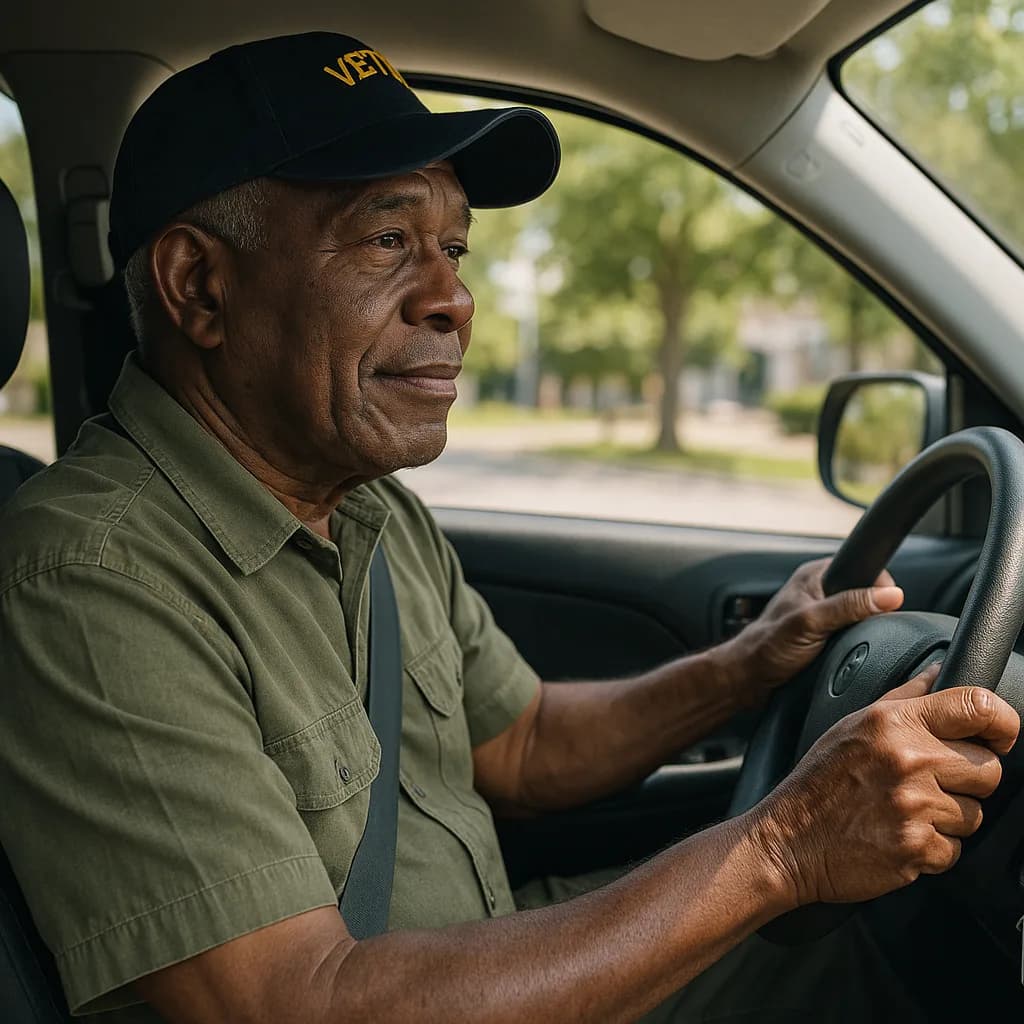
First, complete the Safety and Treatment Program within 60 days of enrolling in the Motor Vehicle Alcohol and Drug Test and Lock Program. The program provider reports completion to the DMV electronically. If you delay enrollment past your revocation date, the 60-day window still applies—complete the program before applying for interlock installation. Second, install an ignition interlock device on every vehicle you own or operate. The interlock vendor submits installation confirmation to the DMV Interlock Section. Processing takes approximately 20 business days. You cannot drive legally until the DMV approves your interlock enrollment and issues restricted driving privileges.
Third, obtain liability insurance meeting West Virginia's 25/50/25 minimums from a licensed carrier. The insurer transmits the WV-1B Certificate of Insurance to the DMV through the Online Insurance Verification Program. The DMV cross-references your insurance record against your interlock enrollment. Once all three components clear—program completion, interlock installation, and active insurance—the DMV issues restricted driving privileges allowing you to operate vehicles equipped with the interlock device. At the end of your revocation period, you pay the reinstatement fee and the DMV restores full driving privileges if you maintained continuous insurance and completed the interlock term without violations.
Related Articles





Why Most Carriers Reject DUI Drivers at the Interlock Stage
West Virginia requires active liability insurance to enroll in the interlock program, but most standard-tier carriers refuse to write policies for drivers with suspended licenses. You need insurance before the interlock device is installed, yet your license is revoked and you cannot legally drive. This creates a procedural catch: the DMV will not approve interlock enrollment without proof of insurance, and many carriers will not issue a policy until you hold valid driving privileges.
Non-standard carriers solve this problem by writing policies specifically for interlock participants. Root, Dairyland, The General, Progressive, and National General all write West Virginia policies for drivers enrolled in the Test and Lock Program. These carriers understand that the insurance precedes the device installation and that you are not driving illegally—you are complying with the reinstatement process the state mandates. Standard-tier carriers like State Farm and Allstate typically decline at this stage, even if they accepted you before the DUI.
The rate you pay during the interlock period reflects non-standard tier pricing. West Virginia DUI drivers typically pay $245 to $318 per month for liability coverage during this phase—61% to 78% higher than clean-record rates. That premium holds for the duration of your interlock term, usually three years for a first DUI. After reinstatement, if you maintain continuous coverage and avoid new violations, you can shop for standard-tier carriers again. Your rate will remain elevated for three to five years post-conviction, but the non-standard surcharge eventually drops.
WV Reinstatement Fee
This fee is separate from interlock costs and insurance premiums.
West Virginia Division of Motor Vehicles
What Happens If You Request SR-22 From Root Anyway
If you call Root and ask for SR-22 filing, the representative will tell you West Virginia does not require SR-22 and Root cannot file it. Some representatives may not immediately understand why—SR-22 exists in most states Root serves—so they may place you on hold to verify. The outcome is the same: Root cannot file a certificate that does not exist in your state. The representative may offer to write a standard liability policy instead, which is what you actually need.
Confusion arises because national carriers market SR-22 filing as a product, and most DUI guides reference SR-22 as the default post-conviction requirement. West Virginia is an outlier. The state repealed certificate filings in favor of real-time electronic verification. Drivers arriving from other states—especially Virginia, which uses FR-44 for DUI, or Ohio, which uses SR-22—assume West Virginia follows the same model. It does not. The insurance search is simpler procedurally but harder competitively: you need a non-standard carrier willing to write interlock participants, not a carrier that files forms.
Compare Carriers That Write Interlock Participants in West Virginia
Root is one option among several non-standard carriers writing West Virginia interlock policies. Dairyland, The General, Progressive, and National General also accept DUI convictions and write coverage for drivers in the Test and Lock Program. Rates vary by carrier, age, vehicle, and county. Root's telematics model may produce a lower rate if you drive cautiously during the rating period, but it may also produce a higher rate if the app flags risky behavior. The only way to know which carrier offers the best rate for your specific profile is to request quotes from all five.
West Virginia's lack of certificate filing means the insurance comparison is purely about price and underwriting tolerance. No carrier has a procedural advantage—none file forms the others cannot—so the decision reduces to which carrier accepts your conviction and quotes the lowest premium. Start the comparison before your interlock installation appointment. The DMV requires proof of insurance to approve enrollment, and processing takes 20 business days. Delaying the insurance search delays your entire reinstatement timeline.