
State Farm SR-22 After a DUI — West Virginia
Free to compare
State Farm Files SR-22 Everywhere Except West Virginia
You called State Farm after your West Virginia DUI conviction because their website lists SR-22 filing in all 50 states. The agent told you they file SR-22, quoted you a rate, and scheduled a policy start date. Then you contacted the West Virginia DMV to confirm the filing requirement, and the DMV told you West Virginia does not use SR-22. You are now confused about whether State Farm can help you at all.
West Virginia repealed its financial responsibility certificate framework (WV Code 17D-4-15 through 17D-4-20) entirely. The state enforces compulsory insurance through the Online Insurance Verification Program. After a DUI revocation, you need current proof of West Virginia liability insurance—the insurer transmits a WV-1B Certificate of Insurance to the DMV—plus the reinstatement fee. No SR-22 exists. No filing period. No certificate fee. State Farm's SR-22 filing capability is irrelevant in this state.
“State Farm's SR-22 filing capability is irrelevant in West Virginia—the carrier search is about tier access and rate tolerance, not certificate paperwork.”

See Who Insures West Virginia Drivers After a DUI
Get My West Virginia DUI Insurance Quote180-365 days
WV DUI Revocation Period
West Virginia suspends your license for 180 to 365 days after a DUI conviction. The Safety and Treatment Program completion is required before reinstatement. The revocation period starts from the conviction date, not the arrest date.
West Virginia Division of Motor Vehicles
The WV-1B Is Ordinary Proof, Not a High-Risk Filing
The WV-1B Certificate of Insurance is the form every licensed insurer in West Virginia transmits to the DMV when you buy a policy. It proves you carry the state's minimum liability limits: $25,000 per person, $50,000 per accident, $25,000 property damage. Every driver in West Virginia—clean record or DUI conviction—generates a WV-1B when their insurer writes the policy. It is not a high-risk filing. It does not carry a multi-year monitoring period. It is ordinary proof of coverage.
State Farm files the WV-1B automatically when you buy a West Virginia policy, just like every other carrier licensed here. The confusion arises because State Farm advertises SR-22 filing as a service in 49 other states, and their national website does not clarify that West Virginia operates differently. The agent you spoke with may not know West Virginia repealed certificate requirements. The filing capability State Farm promotes does not apply here.
When you reinstate your license after the DUI revocation period ends, the DMV checks the Online Insurance Verification Program to confirm you carry current coverage. Your insurer's WV-1B transmission satisfies that requirement. No separate certificate filing exists. No additional fee beyond the reinstatement fee. The procedural simplicity is real—West Virginia removed the certificate layer entirely.
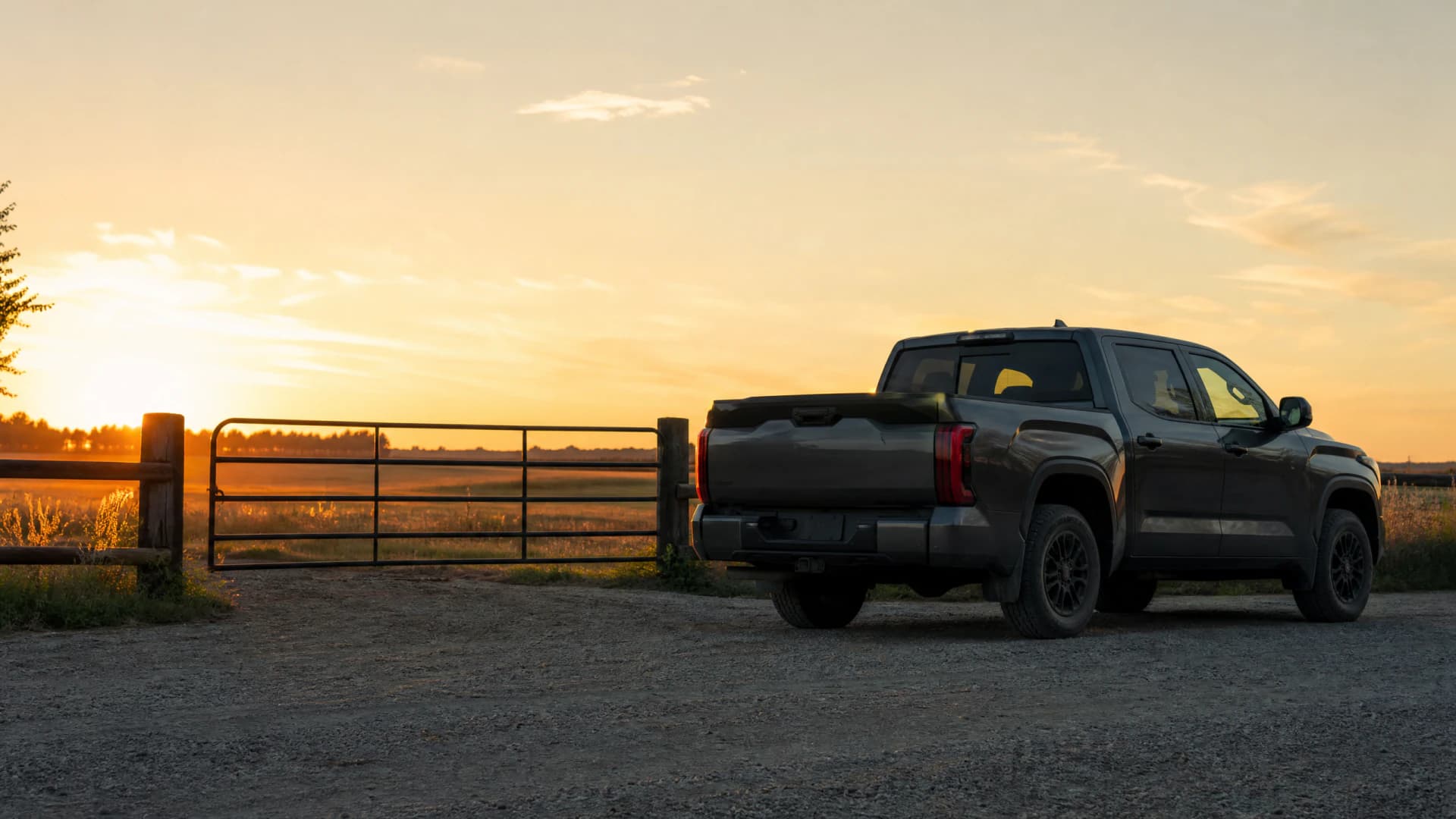
State Farm's SR-22 filing service does not help you in West Virginia because West Virginia has no SR-22 requirement. The carrier search is about tier access, not filing capability.



Non-Standard Carriers Accept DUI Convictions Directly
Non-standard carriers exist specifically to write drivers with violations, suspensions, and DUI convictions. Dairyland, The General, Progressive, and National General all write West Virginia policies for DUI drivers. These carriers do not require SR-22 filing—because West Virginia has no SR-22—and they price the DUI conviction directly into the premium. You receive a standard auto insurance policy that satisfies West Virginia's compulsory insurance requirement and generates the WV-1B transmission the DMV needs.
Non-standard carriers compete on price within the high-risk segment. State Farm does not. Both policies satisfy reinstatement requirements identically. The WV-1B transmission works the same way regardless of which carrier writes the policy.
Compare at least three non-standard carriers before committing to State Farm. Geico, Progressive, and Dairyland all operate online quote tools that return rates within minutes. The General and National General require phone quotes but often deliver the lowest rates for DUI drivers. If State Farm's rate is competitive after comparison, their preferred-tier reputation and agent network may justify the choice. If not, a non-standard carrier saves you money without sacrificing coverage quality.
$245-$318/mo
WV Post-DUI Premium Range
West Virginia drivers with DUI convictions typically pay $245 to $318 per month for liability coverage, representing a 61 to 78 percent increase over clean-record rates. Individual rates vary by age, county, and carrier tier.
ValuePenguin + Insurify after-DUI by-state analysis, 2026

Interlock Program Requires Coverage Before Installation
West Virginia's Motor Vehicle Alcohol and Drug Test and Lock Program allows you to drive during the revocation period if you install an ignition interlock device. The program requires current liability insurance before the device is installed—not after. You must show proof of coverage to the interlock vendor and the DMV Interlock Section before enrollment. State Farm will write the policy at this stage if their underwriting guidelines allow it, but many DUI drivers discover State Farm declines to write them until after reinstatement.
If State Farm declines to write you during the interlock enrollment window, contact a non-standard carrier immediately. Dairyland, The General, and Progressive write interlock-participant policies routinely. The policy generates the WV-1B transmission, and the interlock vendor accepts it as proof of coverage. The interlock program application requires you to own the vehicle or provide written owner approval for device installation, and the insurance policy must list you as a named insured on that vehicle. Non-owner policies do not satisfy this requirement.
Compare Carriers Who Write Your Situation
State Farm's SR-22 filing service is irrelevant in West Virginia, but their willingness to write post-DUI policies is not. If State Farm quotes you a competitive rate and their agent understands West Virginia's certificate-free reinstatement process, the policy works. The WV-1B transmission is identical across all licensed carriers. The DMV does not distinguish between State Farm and Dairyland when verifying your coverage.
Request quotes from at least three carriers: one preferred-tier carrier (State Farm, Allstate, or Nationwide), one standard-tier carrier with non-standard divisions (Progressive or Geico), and one dedicated non-standard carrier (Dairyland or The General). Compare the monthly premium, the coverage limits, and the policy start date. The carrier who delivers the lowest rate for West Virginia's minimum liability limits—$25,000 per person, $50,000 per accident, $25,000 property damage—wins the comparison. Verify the carrier is licensed in West Virginia and transmits the WV-1B automatically. Then bind the policy and move forward with reinstatement.
State Farm Tier Placement After DUI
State Farm's underwriting guidelines treat DUI convictions as high-risk events. In most states, a DUI conviction triggers either a substantial rate increase or a non-renewal notice at your next policy term. West Virginia drivers face the same underwriting response. Some State Farm agents will decline to write the policy entirely and refer you to a non-standard carrier.
The tier-placement decision happens at the underwriting level, not the agent level. State Farm's national underwriting guidelines govern whether your DUI conviction disqualifies you from coverage. West Virginia's lack of SR-22 filing does not change this. The conviction itself—recorded on your driving record and visible to every insurer—drives the tier decision. If State Farm quotes you a rate, compare it against non-standard carriers who specialize in post-DUI coverage. Dairyland, The General, and National General write West Virginia DUI drivers routinely and often deliver lower rates than State Farm's non-standard tier.
Get Your Free Quote
Get My West Virginia DUI Insurance QuoteFrequently Asked Questions
Does State Farm file SR-22 in West Virginia after a DUI?
No. West Virginia repealed SR-22 entirely—the old certificate framework (WV Code 17D-4-15 through 17D-4-20) no longer exists. State Farm files SR-22 in 49 other states, but West Virginia enforces compulsory insurance through the Online Insurance Verification Program. Your insurer transmits a WV-1B Certificate of Insurance when you buy a policy, which is ordinary proof of coverage, not a high-risk filing.
Will State Farm insure me after a West Virginia DUI conviction?
State Farm may insure you, but a DUI conviction typically moves you out of their preferred tier. Compare State Farm's quote against non-standard carriers like Dairyland, The General, and Progressive, who specialize in post-DUI coverage and often deliver lower rates.
What is the WV-1B Certificate of Insurance?
The WV-1B is the form every licensed insurer in West Virginia transmits to the DMV when you buy a policy. It proves you carry the state's minimum liability limits: $25,000 per person, $50,000 per accident, $25,000 property damage. Every driver in West Virginia generates a WV-1B—it is not a high-risk filing and does not carry a multi-year monitoring period.
Do I need SR-22 insurance to reinstate my license after a West Virginia DUI?
No. West Virginia has no SR-22 requirement. To reinstate your license after a DUI revocation, you need current proof of West Virginia liability insurance (your insurer transmits the WV-1B automatically), completion of the Safety and Treatment Program, and payment of the reinstatement fee. No certificate filing exists.
Can I use State Farm for the West Virginia interlock program?
State Farm will write the policy if their underwriting guidelines allow it, but many DUI drivers discover State Farm declines to write them during the interlock enrollment window. The interlock program requires current liability insurance before device installation. If State Farm declines, contact Dairyland, The General, or Progressive—they write interlock-participant policies routinely.
How much does car insurance cost after a DUI in West Virginia?
West Virginia drivers with DUI convictions typically pay $245 to $318 per month for liability coverage, representing a 61 to 78 percent increase over clean-record rates. Individual rates vary by age, county, carrier tier, and coverage selections. Compare at least three carriers to find the lowest rate for your situation.