
West Virginia Minimum Liability Limits After DUI — WV
Free to compare
The Liability Question After Revocation
Your license was revoked after a DUI conviction in West Virginia. You've heard about SR-22 requirements from friends in other states or read generic advice online. You're trying to figure out whether you need to upgrade your liability coverage or file some kind of special certificate with the DMV. The answer is simpler than most suspended drivers expect, but it contradicts nearly everything written for a national audience.
West Virginia does not use SR-22, FR-44, or any financial-responsibility certificate filing. The old certificate framework under WV Code 17D-4-15 through 17D-4-20 was fully repealed. The state enforces compulsory insurance through the Online Insurance Verification Program, which cross-checks your policy electronically with the DMV database. At reinstatement, you need current proof of West Virginia liability insurance meeting state minimums — nothing more, nothing less, and no multi-year filing period.
“West Virginia repealed its SR-22 framework entirely — reinstatement requires only current proof of 25/50/25 liability, no multi-year filing.”

See Who Insures West Virginia Drivers After a DUI
Get My West Virginia DUI Insurance Quote25/50/25
WV Minimum Liability Limits
West Virginia requires $25,000 bodily injury per person, $50,000 bodily injury per accident, and $25,000 property damage. These minimums apply to all drivers, including those reinstating after DUI revocation. Uninsured motorist coverage is also required.
West Virginia Division of Motor Vehicles
What the DMV Actually Requires
The structural confusion comes from the gap between what drivers expect and what West Virginia law actually mandates. Most DUI-related content assumes SR-22 is universal. It is not. West Virginia's compulsory insurance enforcement shifted entirely to electronic verification years ago, eliminating the certificate-filing layer that still exists in 48 other states.
At reinstatement, the DMV verifies your active liability policy through the Online Insurance Verification Program. Your insurer submits a WV-1B Certificate of Insurance electronically when you purchase coverage. That certificate confirms you meet the 25/50/25 minimums and carry uninsured motorist coverage as required by state law. The DMV pulls this data directly from the system — you do not file anything separately, and there is no multi-year monitoring period tied to the DUI conviction.
This means your liability limits do not need to increase beyond state minimums unless your insurer requires higher limits as a condition of writing your policy. Some carriers writing post-DUI drivers impose higher minimum purchase requirements (50/100/50 is common), but that is a carrier underwriting rule, not a state legal mandate. The state itself requires only 25/50/25 at reinstatement.

West Virginia repealed its SR-22 framework entirely. If a carrier or agent tells you SR-22 is required for DUI reinstatement in WV, they are citing outdated law or confusing your case with another state's rules.


The Test and Lock Interlock Program
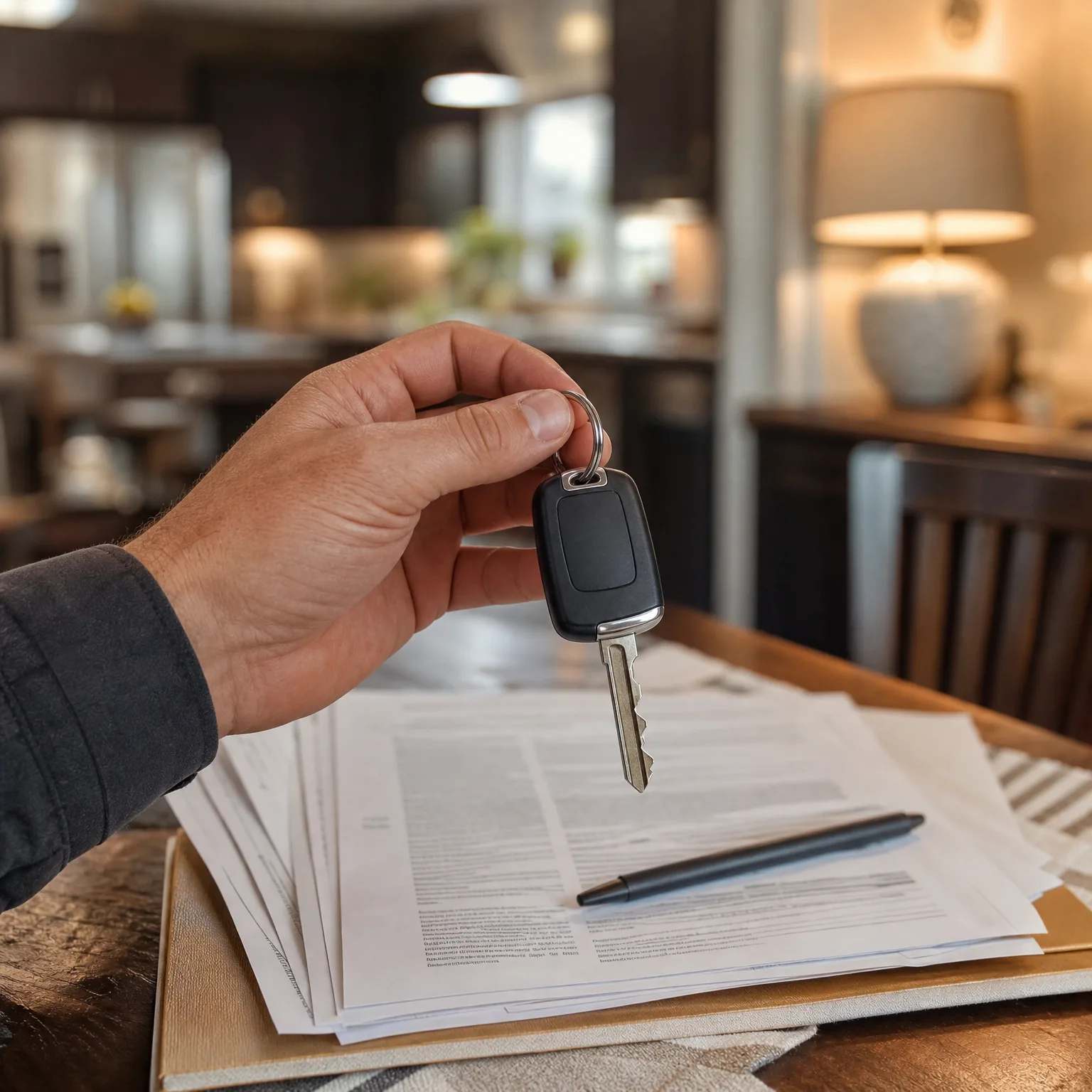
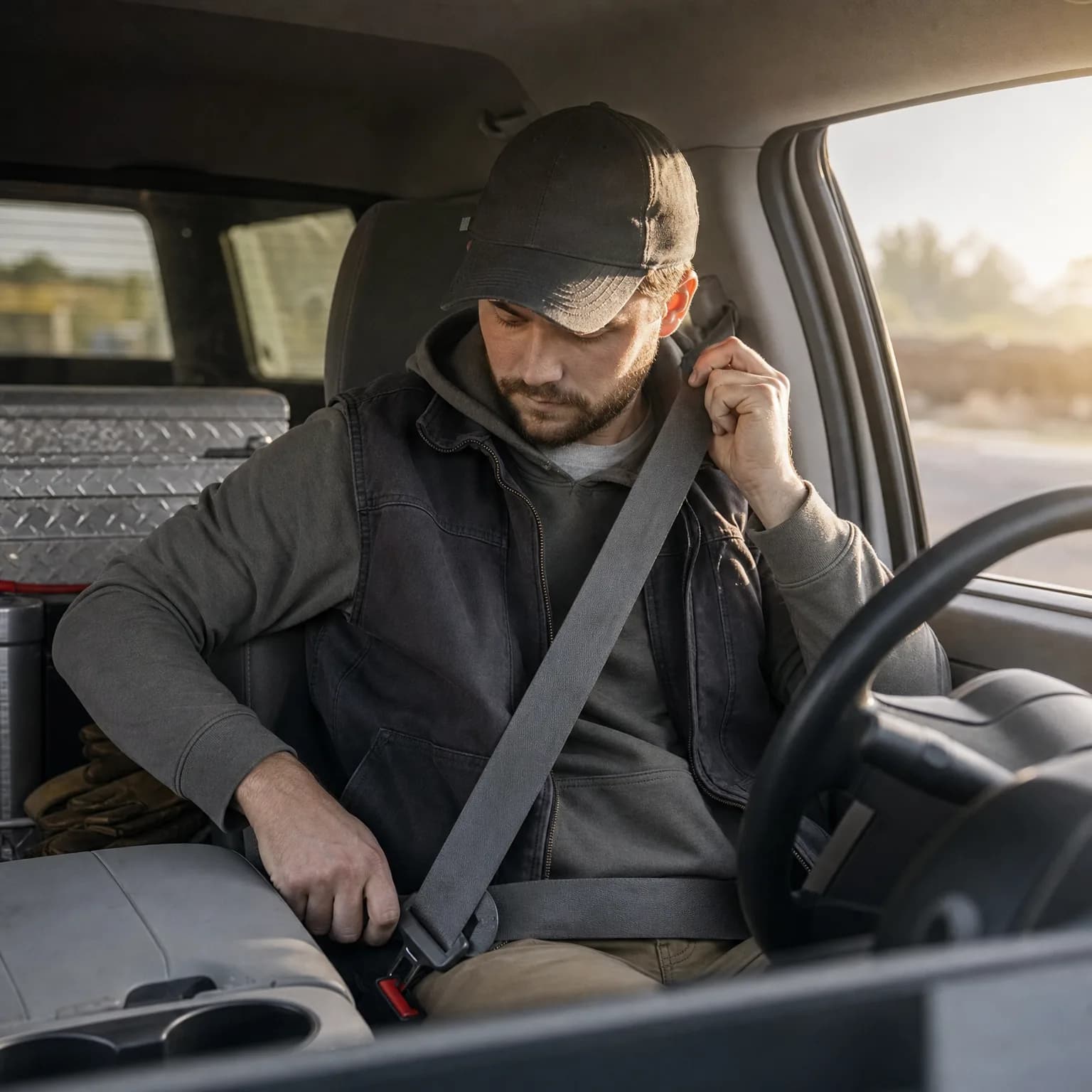
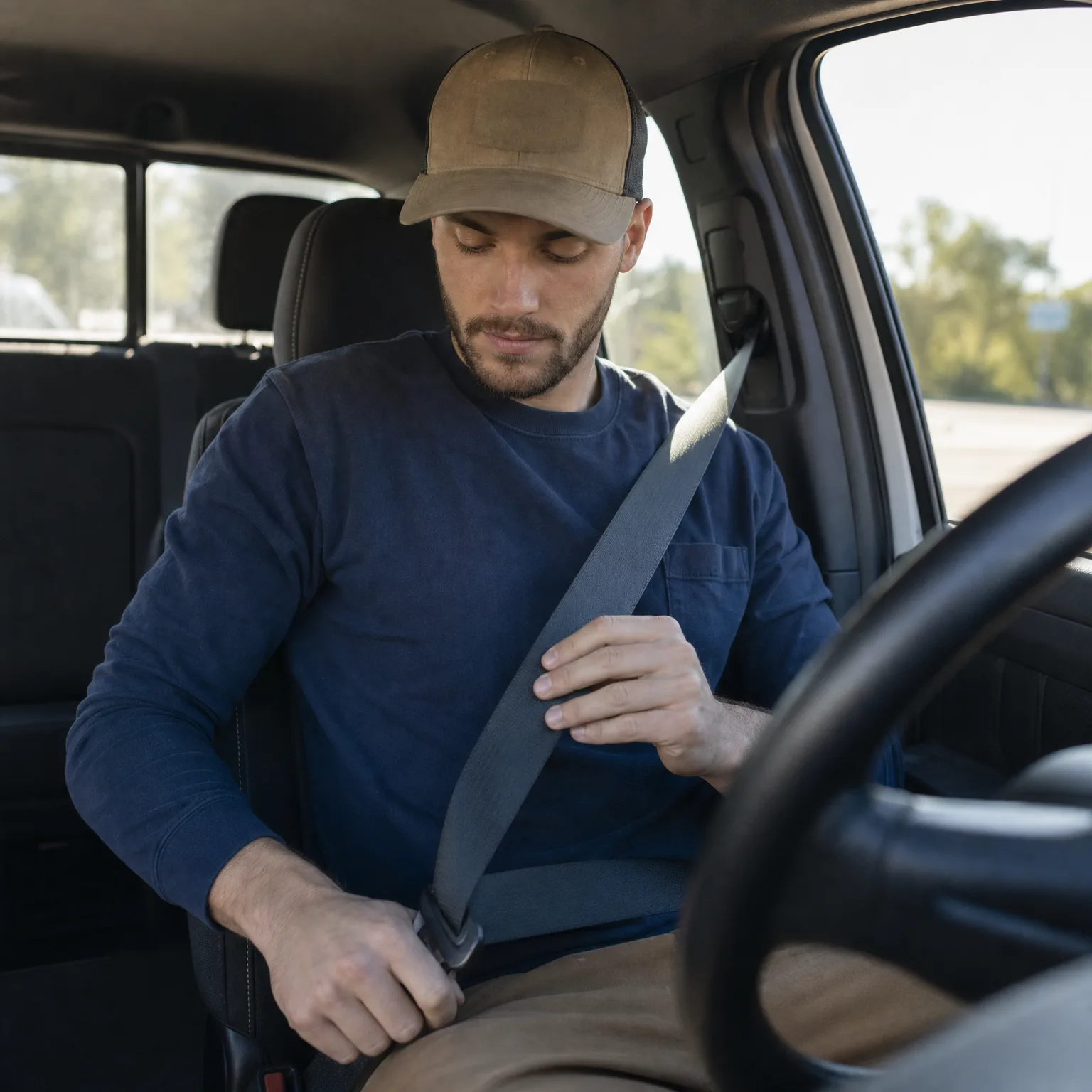
West Virginia offers one interim driving option during DUI revocation: the Motor Vehicle Alcohol and Drug Test and Lock Program, commonly called the Test and Lock or interlock program. This is not a general hardship license. It is available only for alcohol-based DUI revocations, not drug-related DUI cases. The program allows you to drive any vehicle equipped with an ignition interlock device instead of serving the full revocation period without driving privileges.
To qualify, you must own the vehicle or have written approval from the vehicle owner for interlock installation. You must enroll in or complete the Safety and Treatment Program within 60 days of beginning the interlock program. You cannot be actively appealing the revocation. Non-West Virginia residents must provide a copy of their resident-state license within 30 days of enrollment. The interlock provider submits required documentation to the WV DMV Interlock Section, and the DMV processes the application in approximately 20 business days.
The interlock program requires maintaining liability insurance throughout the program period. Your insurer must know the vehicle is equipped with an interlock device — some carriers exclude interlock-equipped vehicles or charge higher premiums for them. Verify coverage before installation. Violating interlock program terms (failed breath tests, tampering, missed calibration appointments) triggers immediate program termination and reinstatement of the full revocation period with no credit for time served under the program.
20 business days
Interlock Application Processing
The WV DMV Interlock Section processes Test and Lock applications in approximately 20 business days after the interlock provider submits required documentation. Apply before your scheduled revocation date to drive in lieu of revocation, or apply after to regain limited driving privileges during the remaining revocation period.
West Virginia DMV Interlock Section
Finding Coverage After DUI Conviction
West Virginia's post-DUI insurance market splits into standard carriers that will write you at higher rates and non-standard carriers that specialize in high-risk drivers. Your current insurer may non-renew your policy after the DUI conviction appears on your motor vehicle record, or they may move you to a higher-risk tier within their company. Either outcome produces a significant rate increase — industry data for West Virginia shows post-DUI drivers paying 61-78% more than clean-record drivers, translating to approximately $245-$318 per month for liability coverage.
Carriers writing post-DUI drivers in West Virginia include Dairyland, Farmers, Geico, National General, Progressive, The General, and USAA (for eligible military members and families). Some impose higher minimum liability limits than the state requires — 50/100/50 or 100/300/100 are common carrier-imposed minimums for DUI cases. This is legal. The carrier is requiring higher limits as a condition of offering you coverage, not because state law mandates it. If you cannot afford the higher limits one carrier requires, compare quotes from carriers with lower minimum purchase thresholds.
What Happens at Reinstatement
When your revocation period ends and you have completed the Safety and Treatment Program, paid the reinstatement fee, and secured liability insurance, you contact the WV DMV to schedule reinstatement. The DMV verifies your Safety and Treatment Program completion electronically, confirms payment of the reinstatement fee, and pulls your active insurance policy data from the Online Insurance Verification Program. If all three elements clear, the DMV reinstates your license.
There is no post-reinstatement monitoring period tied to the DUI. West Virginia does not require you to maintain higher liability limits for three years, file quarterly proof-of-insurance updates, or notify the DMV if you change carriers. Once reinstated, your only ongoing obligation is the same compulsory insurance requirement that applies to all West Virginia drivers: maintain continuous liability coverage meeting state minimums, and allow your insurer to report your policy status to the DMV through the Online Insurance Verification Program. If your policy lapses, the DMV receives electronic notice and may suspend your license for failure to maintain required coverage — but that suspension is triggered by the lapse itself, not by your prior DUI conviction. Compare coverage options now to find a carrier that writes post-DUI drivers in West Virginia and meets the state's minimum liability requirements for reinstatement.
Reinstatement Process After DUI Revocation
First, you must complete the West Virginia Safety and Treatment Program, a state-approved DUI education and assessment course. Enrollment must occur within 60 days of beginning the program if you plan to apply for the Test and Lock interlock program during revocation. The program provider reports completion to the DMV electronically. Second, you pay the reinstatement fee. The base fee is $50, but additional administrative fees may apply depending on the circumstances of your revocation. The DMV does not publish a consolidated fee schedule for DUI cases, so confirm the exact amount when you contact the DMV Reinstatement Section.
Third, you provide proof of current liability insurance meeting the 25/50/25 minimums. Your insurer files the WV-1B Certificate of Insurance electronically through the Online Insurance Verification Program when you purchase the policy. The DMV pulls this data at reinstatement — you do not need to bring a paper certificate, though most insurers provide one for your records. If the DMV system shows no active policy tied to your name and driver's license number, reinstatement will be denied until the insurer's filing appears in the database. This typically processes within 24-48 hours of policy purchase, but allow extra time if you are reinstating immediately after the revocation period ends.
Get Your Free Quote
Get My West Virginia DUI Insurance QuoteFrequently Asked Questions
Do I need SR-22 insurance after a DUI in West Virginia?
No. West Virginia does not use SR-22, FR-44, or any financial-responsibility certificate filing. The old certificate framework under WV Code 17D-4-15 through 17D-4-20 was repealed. At reinstatement, you need current proof of liability insurance meeting the state's 25/50/25 minimums, verified electronically through the Online Insurance Verification Program.
What are West Virginia's minimum liability limits after a DUI?
West Virginia requires $25,000 bodily injury per person, $50,000 bodily injury per accident, and $25,000 property damage. These minimums apply to all drivers, including those reinstating after DUI revocation. Uninsured motorist coverage is also required. Some insurers impose higher minimum purchase requirements for post-DUI drivers, but the state itself requires only 25/50/25.
How long is my license revoked for a DUI in West Virginia?
West Virginia DUI revocations range from 180 to 365 days, depending on whether this is a first or subsequent offense. You may apply for the Test and Lock interlock program to drive during revocation if your case is alcohol-based (not drug-related DUI). Reinstatement requires completing the Safety and Treatment Program, paying the reinstatement fee, and providing proof of liability insurance.
Can I get a hardship license after a DUI in West Virginia?
West Virginia does not offer a general hardship or occupational license. The only interim driving option during DUI revocation is the Motor Vehicle Alcohol and Drug Test and Lock Program, which allows driving any vehicle equipped with an ignition interlock device. This program is available only for alcohol-based DUI revocations, not drug-related cases.
How much does car insurance cost after a DUI in West Virginia?
Post-DUI drivers in West Virginia typically pay 61-78% more than clean-record drivers, translating to approximately $245-$318 per month for liability coverage. Actual rates vary by carrier, age, driving history, and coverage selections. Carriers writing post-DUI drivers in West Virginia include Dairyland, Farmers, Geico, National General, Progressive, The General, and USAA.
What proof of insurance does the West Virginia DMV require at reinstatement?
The DMV verifies your active liability policy electronically through the Online Insurance Verification Program. Your insurer submits a WV-1B Certificate of Insurance when you purchase coverage. The DMV pulls this data at reinstatement — you do not file anything separately. If the system shows no active policy tied to your name and license number, reinstatement will be denied until the insurer's filing appears.